


-
PRE-CONGRESS SESSION ESCD STUDY CLUB POLAND
- 17 April 2026
- dentists 700 PLN | trainees, students 350 PLN
- Park Inn by Radisson Kraków, room Alfa 2, available seats: 50
- The session will be in English language
-
Scientific director: Dr hab. n. med. Maciej Żarow, DDS, PhD, DSc
-
Partner:

-
Sponsor:

-
Sponsor:

-
PROGRAM
Friday 17.04.2026-
13:30 - 17:00
THE SIMPLIFIED PROTOCOLS IN CONTEMPORARY DENTAL PRACTICE.
This session of the European Society of Cosmetic Dentistry has been prepared by the ESCD Study Club Poland, and four outstanding clinicians—experienced, hands-on practitioners—have been invited to speak. Together, they will guide participants through modern principles and streamlined protocols for running a truly masterful dental practice.
This year’s session features an Endodontist, an Orthodontist, a Restorative Dentist, and a Prosthodontist, enabling a fully interdisciplinary perspective on contemporary dentistry.
The session is dedicated both to practice owners and entrepreneurs, as well as to young dentists who wish to understand how interdisciplinary collaboration should be approached in today’s clinical environment.
-
13:30 - 14:15
Blocked Canals – Treatment and Qualification for Further Interdisciplinary Management. When Yes? When No?
-
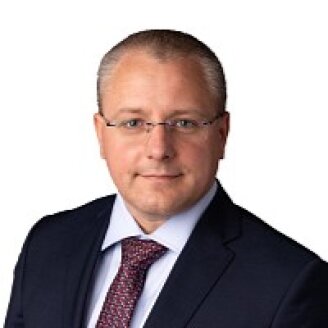 Dr. n. med Sławomir GabryśAbout the speaker
Effective endodontic treatment requires precise canal preparation, thorough disinfection, and hermetic obturation of the root canal along its entire length. One of the major clinical challenges remains the management of blocked canals.
The lecture will discuss the most common causes of root canal blockage and methods of prevention – from obvious cases such as obliterations to less evident ones resulting from improper clinical procedures. Based on numerous clinical cases, a treatment protocol for managing ledges within the canal will be presented, including techniques for bypassing and smoothing them.
The lecture will provide a detailed overview of all stages of treatment – from diagnosis and canal negotiation to qualification for further interdisciplinary management. The issues related to the removal of filling materials during endodontic retreatment, as well as the criteria determining the possibility of continuing therapy, will also be addressed. Additionally, principles of management in cases of persistent canal blockage will be discussed. -
-
14:15 - 15:00
Mastering adhesive dentistry: Practical strategies to avoid failures and achieve successful restorations.
-
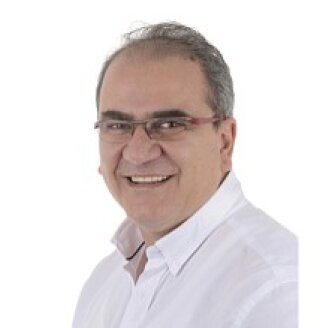 Prof. Louis HardanAbout the speaker
Adhesive dentistry has opened the door to minimally invasive treatment, yet its high technique sensitivity means that even small errors can lead to premature failures. During this one-hour lecture, practical and clinically validated strategies will be presented that allow clinicians to achieve predictable success in adhesive restorations — both in anterior and posterior teeth.
Participants will learn key principles of field isolation, optimal selection of adhesive systems, moisture control, effective margin sealing, and proper composite placement. The lecture will also address the most common causes of failure and provide simple, repeatable protocols to eliminate them.
The goal of this session is to equip clinicians with a set of practical tools and guidelines that enable them to perform durable, well-sealed and highly aesthetic adhesive restorations — in a more conscious, safe and predictable manner.
-
-
15:00 - 15:15
Coffee break
-
15:15 - 16:00
Tips and Tricks in Aligner Therapy for General Dentists.
-
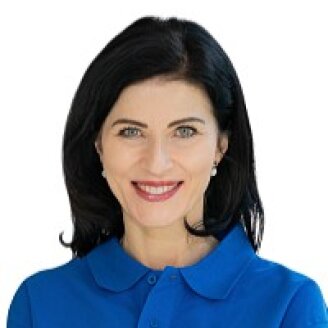 Dr. n. med. Katarzyna BeckerAbout the speaker
Aligner therapy has become an integral part of modern general dentistry, yet its effectiveness depends on proper planning and a solid understanding of practical principles that help avoid the most common mistakes. This lecture will present key tips and tricks that any general dentist can apply to conduct aligner treatments in a predictable, safe and efficient manner.
Participants will learn how to assess cases suitable for aligner therapy, how to analyze biological and biomechanical limitations, how to interpret digital setups (ClinCheck/Setup), and how to communicate effectively with planning technicians. Additional topics will include attachments, rotation control, extrusion, arch coordination and patient communication.
The aim of the lecture is to provide clinicians with a practical set of tools that will help them better understand aligner therapy in everyday practice in a structured and informed way — with a strong emphasis on safety, predictability and long-term stability of results.
-
-
16:00 - 16:45
Predictable Outcomes in Complex Prosthodontics with Digital Technology.
-
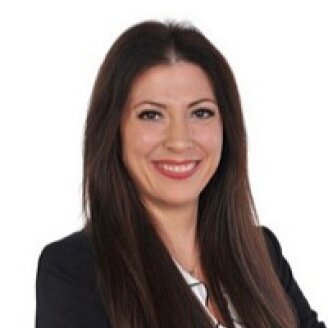 Dr. Nevena Josipović, MscAbout the speaker
The management of complex prosthodontic cases often presents significant clinical and technical challenges, particularly in achieving functional, aesthetic, and long-term success. With the rapid evolution of digital technologies, a paradigm shift has occurred in diagnosis, planning, and execution of advanced rehabilitations. This lecture explores how modern digital tools—such as intraoral scanning, digital smile design, CAD/CAM fabrication, and guided surgery—contribute to increased precision, interdisciplinary coordination, and improved patient communication.
Through real clinical example, we will demonstrate how digital workflows enable the clinician to simulate final outcomes, anticipate complications, and optimize treatment sequencing. The integration of facially driven treatment planning fosters a more predictable path from provisional to final restorations. Additionally, the lecture will highlight the importance of digital documentation for quality control, patient education, and lab communication.
Attendees will gain insight into how adopting digital strategies can reduce chair time, minimize errors, and elevate both patient satisfaction and clinical outcomes and how digital prosthodontics offers a level of predictability that was previously difficult to achieve with conventional techniques.
-
-
16:45 - 17:00
Discussion with lecturers
-


